Human milk, the root of human life
Breastfeeding is our very first introduction to food, a primal human connection, and the foundation of our life-long wellbeing. The taste of breastmilk changes depending on what we've eaten, starting out our kids' love affair with food, with the land, their own bodies, their own health.
Breastfeeding protects infants against all sorts of short term illnesses; colds, ear infections, lung infections, tummy bugs and more, but it also protects against longer term diseases like certain cancers, obesity, diabetes, eczema, and malnutrition.
What’s less well known is that it also protects women. Breastfeeding reduces our risk of breast and ovarian cancers, heart disease, diabetes, weight gain, and postnatal depression for instance.
The World Health Organisation recommends exclusive breastfeeding for 6 months, continued alongside other food and drinks until at least the child’s second birthday.
But an estimated 843,000 infants die globally each year because they are not being breastfed and protected by the components in human milk, alongside 20,000 women who would survive breast cancer. It also takes 5000 litres of water to produce 1kg of breastmilk substitute, as well as thousands of shipping miles to assemble the basic ingredients and packaging.
Women have good reason to be drawn to breastfeeding...
Human Milk, Tailor-made for Tiny Humans "advert"

Prof Meghan Azad PhD talks to Claire about breastmilk in a way you've probably never heard before. New research is showing how intelligent breastmilk is, how it can make decisions over time, depending on our baby's needs, and how critical it is that we support mothers to breastfeed if they want to.

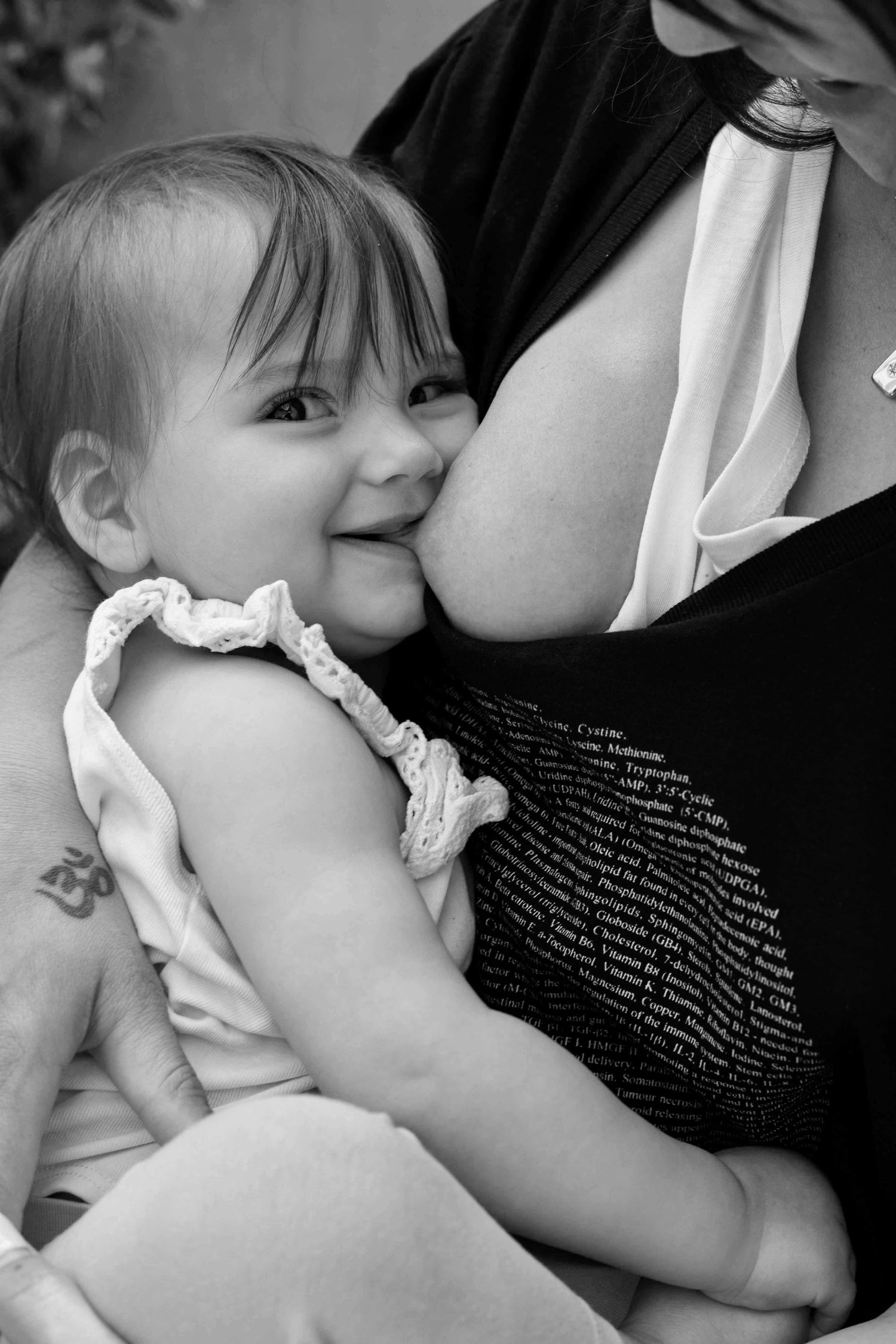
Most mothers want to breastfeed
but many are interrupted by social and environmental elements, many of those being myths or fallacies that are ingrained in our cultures.
One of those is that frequent feeding, more often than the books tell us our babies "should" feed, means you're not making enough milk. And that's bollocks.
The responsibility must not rest on individual mothers to work this stuff out by themselves.
Knowledge of how human milk and breastfeeding work is key to everyone understanding why breastfeeding matters so much, and to breastfeeding mothers being actively supported.
Mothers report to us that learning about their milk has deepened their choice to breastfeed, their confidence, their connection to themselves, to their baby, their body, and often to the people they rely on for support.
We believe every mother should be perceived as a Goddess, because that's what she is.

Mothers
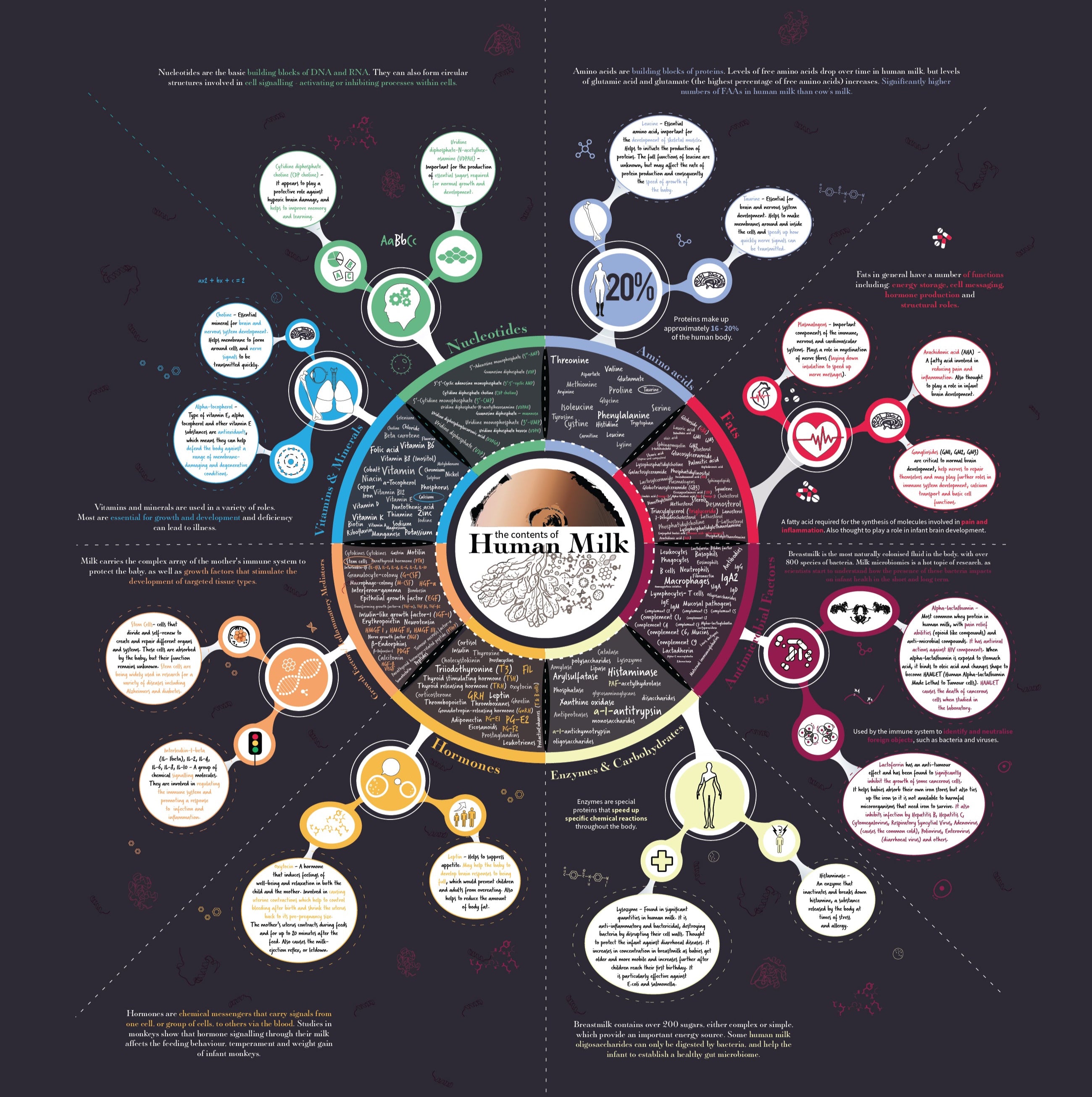
Feast your eyes on the mind blowing science of your own milk. Your body is truly remarkable. We hope it inspires and empowers you.
If you're struggling, have a look at our 'Is This Normal?' page. You might find that all is as it's meant to be.
If you need dedicated, one to one help right away, our 'Find Breastfeeding Help' page lists qualified support ready to help you right this minute.

Healthcare Providers
Healthcare providers around the world use our resources to train staff and support the parents they work with. These are free of charge to ensure equitable access.
When a mother approaches a healthcare professional for help with breastfeeding, it's critical to know why it matters, how to help her, or where to refer her.
We're here to help you to do that.

Mama... This is just a little of what you're doing for your child, with every single feed
Your body picks up on infections in your baby's body and environment, and makes the specific antibodies your child needs to fight off that infection, delivering them through your milk.
Ever wondered why your little one wants to breastfeed more often when they're poorly?
It's comforting, for sure, but they're also receiving thousands to millions of antibodies per feed. And the more they feed, the more they receive, and the better they can fight that infection.
Our babies know what they're doing, and they have no blueprint for manipulation whatsoever.

Human milk contains Leptin
Leptin is a hormone that signals to our brain when our tummy is full, protecting us against over-eating.
Whilst breastmilk contains leptin, it also helps your baby to begin their own leptin production.
It appears that molecules called Micro-RNAs switch on the gene in your baby’s body that oversees the production of leptin, assisting in your child’s life-long appetite regulation.

Human milk contains oxytocin
Oxytocin is a hormone that induces feelings of well-being, connection and relaxation. It’s the one that’s released in our bodies when we hug or kiss someone we love... and when we breastfeed.
And it’s in your milk too, adding to the feelings of love and safety that your little one experiences in your arms.
Oxytocin also causes the milk-ejection reflex, or letdown. It’s carried through your bloodstream to your breast, where it causes contractions that bring your milk into the ducts, and to your little one through roughly 4 to 18 openings in your nipple.
That’s one of the main reasons someone might suggest you breastfeed skin to skin, or look at pictures of your baby when you’re expressing away from them; because this is likely to produce more oxytocin in your system, helping your milk to flow.

Your milk contains lysozyme
Lysozyme is an antibacterial and antiviral enzyme that increases in concentration when our babies are 6 months old, when they become more mobile and evvvverything goes in the mouth, and again after a year, when walking widens how far they can start to adventure... Your body is so damn clever...

Breastmilk kills cancerous cells
Alpha-lactalbumin is the most common whey protein in human milk. It has pain relief and anti-microbial abilities, and anti-viral actions against HIV.
When Alpha-lactalbumin binds to oleic acid (also found in breastmilk), it changes shape to become what is known as HAMLET (Human Alpha-lactalbumin Made Lethal to Tumour cells).
HAMLET causes the death of cancerous cells when studied in the laboratory.

A protein in breastmilk called lactoferrin also has an anti-tumour effect and has been found to significantly inhibit the growth of some cancerous cells.
Lactoferrin also binds itself to the iron in your baby's body, preventing pathogens from feeding on it and growing stronger. It's also known to inhibits infection by Hepatitis B, Hepatitis C, Cytomegalovirus (Herpes family), Respiratory Syncytial Virus (RSV), Adenovirus (causes the common cold), Poliovirus, Enterovirus (diarrhoeal virus), and others.
Your body is phenomenal. Follow your gut.

Did you know
that your milk contains painkilling and anti-inflammatory properties? I didn't. And I worried and felt stressed during the times when my son suddenly seemed to want nothing but boob for days.
Then his teeth came through. Or it turned out he had a cold. Or nothing and it just passed. And when he hurt himself, cuddles and milk just sorted it out.
It always made sense that he'd want to be close when he was under the weather, but sometimes, I resented it because I found myself wondering if this was in fact normal, or whether I had perhaps made that proverbial rod for my back.
Then one day, when he was 16 months, I learned that my milk was giving him painkillers and anti-inflammatory components. And it all fell into place. I was still exhausted, but I didn't resent or worry about his increased feeds during colds or teething etc. I felt proud and amazed.
But also angry that no-one had ever told me about just how incredible my body and my milk was. Angry that the default advice was to mistrust my own child and my own body.
So that’s why we're telling you. Because you really are incredible, and everyone needs to know it.
Claire, Human Milk founder.

Human milk protects your child in many different ways
Your milk contains Leukocytes. These are white blood cells that locate infections and diseases and defend your baby against parasites, cancer cells, debris, viruses, fungi and allergens.

Milk leaving your breast is what causes more milk to be made
Let your baby feed whenever they want to, especially in the early months when your milk supply is being established.
Our tummies are incredibly tiny when we're born, and little and often is normal. This is also what gets your milk production going.
Periods of seemingly never-ending feeding are normal too. They're known as cluster feeds and growth spurts.
Babies are all different. Settle in with your favourite TV series. Trust your gut, trust your baby, ditch the clock.

You know the way we take probiotics to support our health, in drinks, yogurts, or capsules? Well breastmilk feeds the naturally occurring ones in your baby’s gut.
Human Milk Oligosaccharides (HMOs) are a group of complex sugars, and the third most abundant component of breastmilk.
Over 100 different HMOs have been identified in human milk so far. Which ones are found, and in what concentration, is unique to each mother. Genetics, how many children the mother has had, the age of the nursling, and even the seasons, have been found to influence this unique HMO set in each woman.
Many HMOs cannot be digested by humans, but instead act as food for bacteria in your baby’s tummy. These bacteria help your baby to resist infection from harmful bacteria, and to develop a normal gut microbiome.The microbiome plays an enormous role in making sure the gut and immune system develop properly.
HMOs can also trick bacteria and viruses into binding to them, instead of the gut wall, preventing them from infecting your baby. Some HMOs have the potential to reduce the risk of diarrheal diseases, one of the most common global causes of infant mortality under age 5.
One HMO called DSLNT has been linked to a reduction in the risk of Necrotizing Enterocolitis (NEC). NEC is a potentially fatal disorder, most often affecting premature babies.

Natural term weaning
The biologically normal age for humans to breastfeed until is anywhere between around 2 and 7+ years old.
This is only surprising in cultures that tend to interrupt breastfeeding early, often having lost the knowledge of what our biological norms are, in favour of cultural norms.
The concentration of fats and proteins increase as the baby grows into a toddler, along with increased levels of antibacterial and antiviral components such as lysozyme, which is an anti-inflammatory and destroys bacteria.
Lysozyme increases in concentration from about 6 months old, and keeps increasing after the first year.
The concentration of Lactoferrin also increases over time. Lactoferrin inhibits the growth of some cancerous cells. It also helps our babies to absorb their own iron stores, whilst binding to the iron in our baby’s body which prevents it from being available to harmful microorganisms that need iron to survive.
Lactoferrin also kills the bacteria strep mutans, which causes tooth decay and cavities.
Our body’s immune system takes around 6 years to become fully mature, so the support of the protective factors in human milk could play a part in the timescale of natural term weaning.
We acknowledge that many mothers find it difficult to establish breastfeeding in the first place, that breastfeeding is a multi-layered investment on the part of a mother and that natural term feeding might not feel like - or be - a possibility for many.
Or you might simply not want to. We're not here to tell anyone what to do.
We also acknowledge that lack of information about our biology contributes to the lack of support for mothers when they want to establish - or continue - breastfeeding, but cannot find the help they need from people who understand why it matters so much, or what is normal.

Trust your baby, trust yourself. Do it your way.
You really are utterly incredible.
References
References
Research supporting the information in our advert, education, and social media content.
“Nature has been researching your milk for hundreds of millions of years”
Capuco AV, Akers RM. The origin and evolution of lactation. J Biol. 2009; 8(4): 37.
Oftedal OT. The mammary gland and its origin during synapsid evolution. J Mammary Gland Biol Neoplasia. 2002; 7(3): 225–52.
Oftedal OT. The origin of lactation as a water source for parchment-shelled eggs. J Mammary Gland Biol Neoplasia. 2002; 7(3): 253-66.
Oftedal OT, Dhouially D. Evo-Devo of the Mammary Gland. Journal of Mammary Gland Biology and Neoplasia. 2013; 18: 105-120.
Capuco AV, Akers RM. The origin and evolution of lactation. Journal of Biology. 2009; 8(4): 37.
Goldman AS. Evolution of the mammary gland defense system and the ontogeny of the immune system. J Mammary Gland Biol Neoplasia. 2002; 7: 277–289.
“Your milk contains ingredients that kill cancerous cells”
Gustafsson L, Hallgren O, Mossberg AK, et al. HAMLET kills tumour cells by apoptosis: structure, cellular mechanisms, and therapy. J Nutr. 2005; 135: 1299-1303.
Håkansson A, Zhivotovsky B, Orrenius S, Sabharwal H, Svanborg C. Apoptosis induced by a human milk protein. Proc Natl Acad Sci U S A. 1995; 92(17): 8064-8.
Hallgren O, Aits S, Brest P, Gustafsson L, Mossberg AK, Wullt B, Svanborg C. Apoptosis and tumor cell death in response to HAMLET (human alpha-lactalbumin made lethal to tumor cells). Adv Exp Med Biol. 2008; 606: 217-40.
Hakansson AP, Roche-Hakansson H, Mossberg AK, Svanborg C. Apoptosis-like death in bacteria induced by HAMLET, a human milk lipid-protein complex. PLoS One. 2011; 6(3): e17717.
Kataev A, Zherelova O, Grishchenko V. A Characeae Cells Plasma Membrane as a Model for Selection of Bioactive Compounds and Drugs: Interaction of HAMLET-Like Complexes with Ion Channels of Chara corallina Cells Plasmalemma. J Membr Biol. 2016; 249(6): 801-811.
Jiang R, Du X, Lönnerdal B. Comparison of bioactivities of talactoferrin and lactoferrins from human and bovine milk. J Pediatr Gastroenterol Nutr. 2014; 59(5): 642-52.
Hill DR, Newburg DS. Clinical applications of bioactive milk components. Nutr Rev. 2015; 73(7): 463-76.
Vogel HJ. Lactoferrin, a bird's eye view. Biochem Cell Biol. 2012; 90(3): 233-44.
“Your milk contains stem cells. These are cells that create and repair the body, and are being researched worldwide to cure conditions like Alzheimers and diabetes.”
Sinem Gülcan Kersin, Eren Özek Breast milk stem cells: Are they magic bullets in neonatology? Turk Arch Pediatr. 2021 May 1;56(3):187–191. doi: 10.5152/TurkArchPediatr.2021.21006
Shailaja Mane, Satvika Taneja, Jyothsna Sree Madala, Sharad Agarkhedkar, Meghna Khetan Study of stem cells in human milk. 2022 Mar 31; 14(3):e23701. doi: 10.7759/cureus.23701
Cregan MD, Fan Y, Appelbee A, et al. Identification of nestin-positive putative mammary stem cells in human breastmilk. Cell Tissue Res. 2007; 329: 129-136.
Hassiotou F, Beltran A, Chewynd E, et al. Breastmilk is a novel source of stem cells with multilineage differentiation potential. Stem Cells. 2012; 30(10): 2164-74.
Briere CE, McGrath JM, Jensen T, Matson A, Finck C. Breast Milk Stem Cells: Current Science and Implications for Preterm Infants. Adv Neonatal Care. 2016; 16(6): 410-419.
Twigger AJ, Hepworth AR, Lai CT, Chetwynd E, Stuebe AM, Blancafort P, Hartmann PE, Geddes DT, Kakulas F. Gene expression in breastmilk cells is associated with maternal and infant characteristics. Sci Rep. 2015; 5: 12933.
Choi SS, Lee SR, Lee HJ. Neurorestorative Role of Stem Cells in Alzheimer's Disease: Astrocyte Involvement. Curr Alzheimer Res. 2016; 13(4): 419-27.
Lilly MA, Davis MF, Fabie JE, Terhune EB, Gallicano GI. Current stem cell based therapies in diabetes. Am J Stem Cells. 2016; 5(3): 87-98.
Cheng SK, Park EY, Pehar A, Rooney AC, Gallicano GI. Current progress of human trials using stem cell therapy as a treatment for diabetes mellitus. Am J Stem Cells. 2016; 5(3): 74-86.
“Your body identifies bacteria and viruses found in your baby's body and environment. You then produce antibodies specifically tailored for those infections, and deliver them to your baby through your milk. The more milk she drinks, the more antibodies she receives.”
Goldman A.S. , Chheda S. The Immune System in Human Milk: A Historic Perspective. Ann Nutr Metab (2021) 77 (4): 189–196.
Donald K, Petersen C, Turvey SE, Finlay BB, and Azad MB. Secretory IgA: Linking microbes, maternal health, and infant health through human milk.
Rio-Aige K, Azagra-Boronat I, Castell M, Selma-Royo M, Collado MC, Rodríguez-Lagunas M-J, Pérez-Cano FJ..The Breast Milk Immunoglobulinome.
Gopalakrishna KP, Macadangdang BR, Rogers MB, Tometich JT, Firek BA, Baker R, Ji J, Burr AHP, Ma C, Good M, Morowitz MJ, Hand TW. Maternal IgA protects against the development of necrotizing enterocolitis in preterm infants.
Goldman AS, Garza C, Nichols BL, Goldblum RM. Immunological factors in human milk during the first year of lactation. J Pediatr. 1982; 100; 563-567.
Johnson-Hence C, Gopalakrishna PK, Bodkin D, Coffey KE, Burr AH, Rahman S, Rai AT, Abbott DA, Sosa YA, Tometich JT, Das J, Hand TW. Stability and heterogeneity in the anti-microbiota reactivity of human milk-derived Immunoglobulin A.
Pickering LK, Kohl S. Human milk humoral immunity and infant defense mechanisms. In: Howell RR, Morriss FH, Pickering LK, eds. Human milk in infant nutrition and health. Springfield, IL: Thomas; 1986: 123-140.
Litwin SD, Zehr BD, Insel RA. Selective concentration of IgD class-specific antibodies in human milk. Clin Exp Immunol. 1990; 80: 262-267.
Blais DR, Harrold J, Altosaar I. Killing the messenger in the nick of time: persistence of breastmilk sCD14 in the neonatal gastrointestinal tract. Pediatr Res. 2006; 59: 371-376.
Andreas NJ, Kampmann B, Mehring Le-Doare K. Human breast milk: A review on its composition and bioactivity. Early Hum Dev. 2015; 91(11): 629-35.
Bode L. The functional biology of human milk oligosaccharides. Early Hum Dev. 2015; 91(11): 619-22.
Hassiotou F, Geddes DT. Immune cell-mediated protection of the mammary gland and the infant during breastfeeding. Adv Nutr. 2015; 6(3): 267-75.
Turfkruyer M, Verhasselt V. Breast milk and its impact on maturation of the neonatal immune system. Curr Opin Infect Dis. 2015; 28(3): 199-206.
Bourlieu C, Michalski MC. Structure-function relationship of the milk fat globule. Curr Opin Clin Nutr Metab Care. 2015; 18(2): 118-27.
Rogier EW, Frantz AL, Bruno ME, Wedlund L, Cohen DA, Stromberg AJ, Kaetzel CS. Lessons from mother: Long-term impact of antibodies in breast milk on the gut microbiota and intestinal immune system of breastfed offspring. Gut Microbes. 2014; 5(5): 663-8.
“Your milk appears to switch on a gene in your baby’s body, which produces a hormone called Leptin. This hormone tells your baby when his tummy is full, protecting him against over eating.” and "Your milk contains Leptin, a hormone that regulates appetite by telling our brain when our body has received enough food to generate the energy we need. Moreover, molecules in breastmilk called MicroRNAs influence the expression of our babies’ genes. It appears that these Micro-RNAs switch on the gene in our baby’s body that produces our baby’s own leptin, assisting in our child’s life-long appetite regulation."
Słyk-Gulewska P., Kondracka A. and Kwaśniewska A. MicroRNA as a new bioactive component in breast milk. Non-coding RNA Research. Noncoding RNA Res. 2023 Dec; 8(4): 520–526.
Theodore Kelesidis, M.D., Iosif Kelesidis, M.D., Sharon Chou, M.D. and Christos S. Mantzoros, M.D., D.Sc. The Role of Leptin in Human Physiology: Emerging Clinical Applications. Ann Intern Med. 2010 Jan 19; 152(2): 93–100.
Elena Sinkiewicz-Darol, Iwona Adamczyk, Katarzyna Łubiech, Gabriela Pilarska and Magdalena Twarużek. Leptin in Human Milk - One of the Key Regulators of Nutritional Programming. Molecules. 2022 Jun; 27(11): 3581.
Ma’mon M. Hatmal, Mohammad A. I. Al-Hatamleh, Amin N. Olaimat, Walhan Alshaer, Hanan Hasan, Khaled A. Albakri, Enas Alkhafaji, Nada N. Issa, Murad A. Al-Holy, Salim M. Abderrahman, Atiyeh M. Abdallah and Rohimah Mohamud. Immunomodulatory Properties of Human Breast Milk: MicroRNA Contents and Potential Epigenetic Effects. Biomedicines. 2022 Jun; 10(6): 1219.
Giannoula Gialeli, Ourania Panagopoulou, Georgios Liosis and Tania Siahanidou1. Potential Epigenetic Effects of Human Milk on Infants’ Neurodevelopment. Nutrients. 2023 Aug; 15(16): 3614.
Obermann-Borst SA, Eilers PHC, Tobi EW, De Jong FH, Slagboom PE, Heijmans BT, Steegers-Theunissen RPM. Duration of breastfeeding and gender are associated with methylation of the LEPTIN gene in very young children.
Sherwood WB, Bion V, Lockett GA, Ziyab AH, Soto-Ramírez N, Mukherjee N, Kurukulaaratchy RJ, Ewart S, Zhang H, Arshad SH, Karmaus W, Holloway JW, Rezwan FI. Duration of breastfeeding is associated with leptin (LEP) DNA methylation profiles and BMI in 10-year-old children.
Juan Castell MF, Peraita-Costa I, Soriano JM, Llopis-Morales A, Morales-Suarez-Varela M. A Review of the Relationship Between the Appetite-Regulating Hormone Leptin Present in Human Milk and Infant Growth.
Palou M, Picó C, Palou A. Leptin as a breast milk component for the prevention of obesity.
Sinkiewicz-Darol E, Adamczyk I, Łubiech K, Pilarska G, Twarużek M. Leptin in Human Milk—One of the Key Regulators of Nutritional Programming.
Fields DA, Demerath EW. Relationship of insulin, glucose, leptin, IL-6 and TNF-α in human breast milk with infant growth and body composition. Pediatr Obes. 2012; 7(4): 304-12.
Savino F, Sardo A, Rossi L, Benetti S, Savino A, Silvestro L. Mother and infant body mass index, breast milk leptin and their serum leptin values. Nutrients 2016; 8: 383.
Miralles O, Sanchez J, Palou A, Pico C. A physiological role of breast milk leptin in body weight control in developing infants. Obesity 2006; 14: 1371–1377.
Cannon A, Kakulas F, Hepworth A, Lai C, Hartmann P, Geddes D. The effects of leptin on breastfeeding behaviour. Int. J. Environ. Res. Public Health 2015; 12: 12340–12355.
“Your milk contains Oxytocin, a hormone that induces relaxation, and feelings of well-being in your child and in you.”
Unvas-Moberg K. Oxytocin linked antistress effects: The relaxation and growth effect. Acta Physiol Scand Supp. 1997; 640: 38-42.
Groer M, Davis MW. Postpartum stress: current concepts and the possible protective role of breastfeeding. JOGN Nursing. 2002; 31: 411-417.
Winberg J. Mother and newborn baby: mutual regulation of physiology and behaviour - a selective review. Dev Phychobiol. 2005; 47(3): 217-229.
Strathearn L. Maternal neglect: oxytocin, dopamine and the neurobiology of attachment. J Neuroendocrinol. 2011; 23(1): 1054-1065.
Vargas-Martínez F, Schanler RJ, Abrams SA, Hawthorne KM, Landers S, Guzman-Bárcenas J, Muñoz O, Henriksen T, Petersson M, Uvnäs-Moberg K, Jiménez-Estrada I. Oxytocin, a main breastfeeding hormone, prevents hypertension acquired in utero: A therapeutics preview. Biochim Biophys Acta. 2017; 1861(1 Pt A): 3071-3084.
Jonas W, Woodside B. Physiological mechanisms, behavioral and psychological factors influencing the transfer of milk from mothers to their young. Horm Behav. 2016; 77: 167-81.
"Human milk contains Gangliosides, molecules critical to normal brain development. They help nerves to repair themselves, and cells to communicate with each other. A decrease in the levels of gangliosides in the brain has been reported in Parkinson’s, Alzheimer’s and Huntington’s disease."
Sipione S, Monyror J, Galleguillos D, Steinberg N and Kadam V. Gangliosides in the Brain: Physiology, Pathophysiology and Therapeutic Applications. 2020; 14: 572965.
Chowdhury S and Ledeen R. The Key Role of GM1 Ganglioside in Parkinson’s Disease. 2022 Feb; 12(2): 173.
Rueda R, Cambridge University Press. 2007. The role of dietary gangliosides on immunity and the prevention of infection.
"Human milk contains Docosahexaenoic acid (DHA): An omega-3 fatty acid with an important role in nerve tissue and brain development, particularly with association and short term memory. It also plays a role in the formation of the retina (part of the eye), skin and testicles. The more the mother consumes, through for example certain fish like salmon, or through supplements, the more DHA is found in her milk".
Juber B. A., Jackson, KH, Johnson KB, Harris WS, and Baack ML. Breast milk DHA levels may increase after informing women: a community-based cohort study from South Dakota USA. Int Breastfeed J. 2016; 12: 7.
Mahyara Markievicz Mancio Kus-Yamashit, Bonaldi Cano CB, Barros Monteiro VC, Catarino RM. Human Milk: Fast Determination of Docosahexaenoic Acid (DHA), Analytica 2023, 4(1), 54-65
Horrocks LA, Yeo YK. Health benefits of docosahexaenoic acid (DHA). 1999 Sep; 40 (3) : 211-25.
"Lactoferrin kills the bacteria streptococcus mutans which can cause serious infections, and causes tooth decay and cavities. This does not mean that breastfed children can’t get cavities. Other factors, such as genetics, play a role. But there is no evidence that breastfeeding causes cavities or decay, despite what some dentists tell distraught mothers. In fact, there is evidence that breastfeeding up to 12 months reduces the risk of tooth decay."
https://kellymom.com/ages/older-infant/tooth-decay/
Breastfeeding and the risk of dental caries: a systematic review and meta-analysis R Tham, G Bowatte, SC Dharmage, DJ Tan, MXZ Lau, X Dai, KJ Allen, CJ Lodge, 24 July 2015
Breastfeeding after 12 months and dental decay, an excellent summary of research by Emma Pickett IBCLC.
"The natural terms for us humans to breastfeed until is anywhere between the ages of around 2 and 7+ years old". "Longer term breastfeeding is also associated with reduced risk of diseases for the mother, including breast cancer".
https://www.laleche.org.uk/breastfeeding-beyond-a-year/
https://www.naturalchild.org/articles/guest/ruth_kamnitzer.html
https://www.who.int/health-topics/breastfeeding#tab=tab_2
http://whale.to/a/dettwyler.html
Stordal B. Breastfeeding reduces the risk of breast cancer: A call for action in high‐income countries with low rates of breastfeeding. Cancer Med. 2023 Feb; 12(4): 4616–4625.
"Your milk contains macrophages, cells that detect, engulf and destroy harmful pathogens and cells, including tumour cells. They increase in number when your baby is ill." "Your milk contains Phagocytes, a set of immune cells that detect, surround, absorb and destroy harmful molecules and organisms."
Watanabe S, Alexander M, Misharin AV, G.R. Scott Budinger. The role of macrophages in the resolution of inflammation. J Clin Invest. 2019;129(7):2619–2628.
Leyva-Cobián F, Clemente J. Department of Immunology, Centro “Ramòn y Cajal”, Carretera de Colmenar Km. 9,100, 28034 Madrid, Spain. Phenotypic characterization and functional activity of human milk macrophages. Immunology Letters, Volume 8, Issue 5, 1984, Pages 249-256.
Speer CP, Schatz R, Gahr M. Function of breast milk macrophages. Monatsschr Kinderheilkd, 1985 Nov;133(11):913-7.
Cacho NT, Lawrence RM. Innate Immunity and Breast Milk. Front. Immunol., 29 May 2017, Sec. Microbial Immunology, Volume 8 - 2017.
Uwe Lendeckel, Simone Venz, and Carmen Wolke. Macrophages: shapes and functions. ChemTexts. 2022; 8(2): 12.
Ayamita Paul,Tram Bui, Mariana Muelbert, Gergely Toldi. Journal of Reproductive ImmunologyVolume 168, March 2025. T lymphocytes in human milk: Their role in immune system maturation through maternal microchimerism
"Your milk contains Leukocytes, white blood cells that locate infections and diseases and defend your babies against parasites, cancer cells, debris, viruses, fungi and even allergens."
Malgorzata Witkowska-Zimny and Ewa Kaminska-El-Hassan. Cells of human breast milk, Cell Mol Biol Lett. 2017; 22: 11.
Field Catherine J. The Immunological Components of Human Milk and Their Effect on Immune Development in Infants, The Journal of Nutrition, Volume 135, Issue 1, January 2005.
Alyssa Tigner; Sherif A. Ibrahim; Ian V. Murray. Histology, White Blood Cell. NIH, November 14, 2022.
"Your baby suckling at your breast is what stimulates the production of your milk. Especially in the first month or so, letting your baby suckle whenever they want to, including at night, is essential to establishing a good supply."
Infant and Young Child Feeding: Model Chapter for Textbooks for Medical Students and Allied Health Professionals. WHO, Geneva, 2009.
Breastfeeding at night. La Leche League.
"Lysozyme is an enzyme in your milk that kills bacteria. It increases in concentration when your child is about 6 months old, and again after a year."
Armond S.Goldmanab, CutbertoGarzaab, Buford L. Nichols, Randall M.Goldblum. Immunologic factors in human milk during the first year of lactation. The Journal of Pediatrics Volume 100, Issue 4, April 1982, Pages 563-567
Margit Hamosh. Protective Function of Proteins and Lipids in Human Milk. Biology of the Neonate(1998) 74 (2): 163–176.
Maryanne T Perrin, April D Fogleman, David S Newburg, Jonathan C Allen. A longitudinal study of human milk composition in the second year postpartum: implications for human milk banking. Matern Child Nutr 2017 Jan;13(1):e12239.doi: 10.1111/mcn.12239.Epub 2016 Jan 18.